Fruit Dryer for Nerkin Karmir Aghbyur School
Description
Nerkin Karmir Aghbyur (NKA) is a border village located in Armenia’s Tavush Region. The village has a population of approximately 1,000 residents, and its main economic activity is agriculture. Economic opportunities in border villages like NKA are extremely limited due to a lack of investment and ongoing safety concerns. Without these opportunities, families are often forced to find work elsewhere or move out of the region entirely.
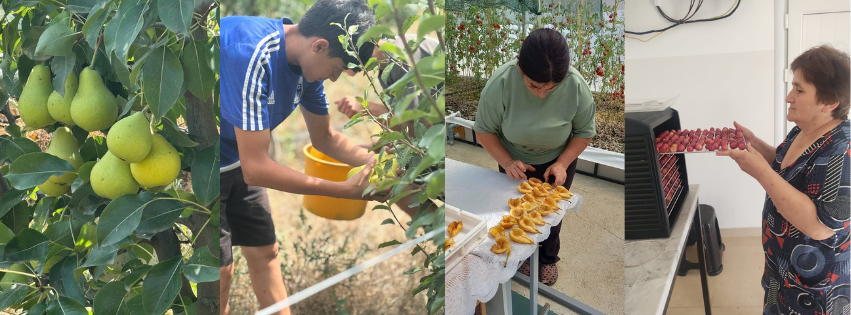
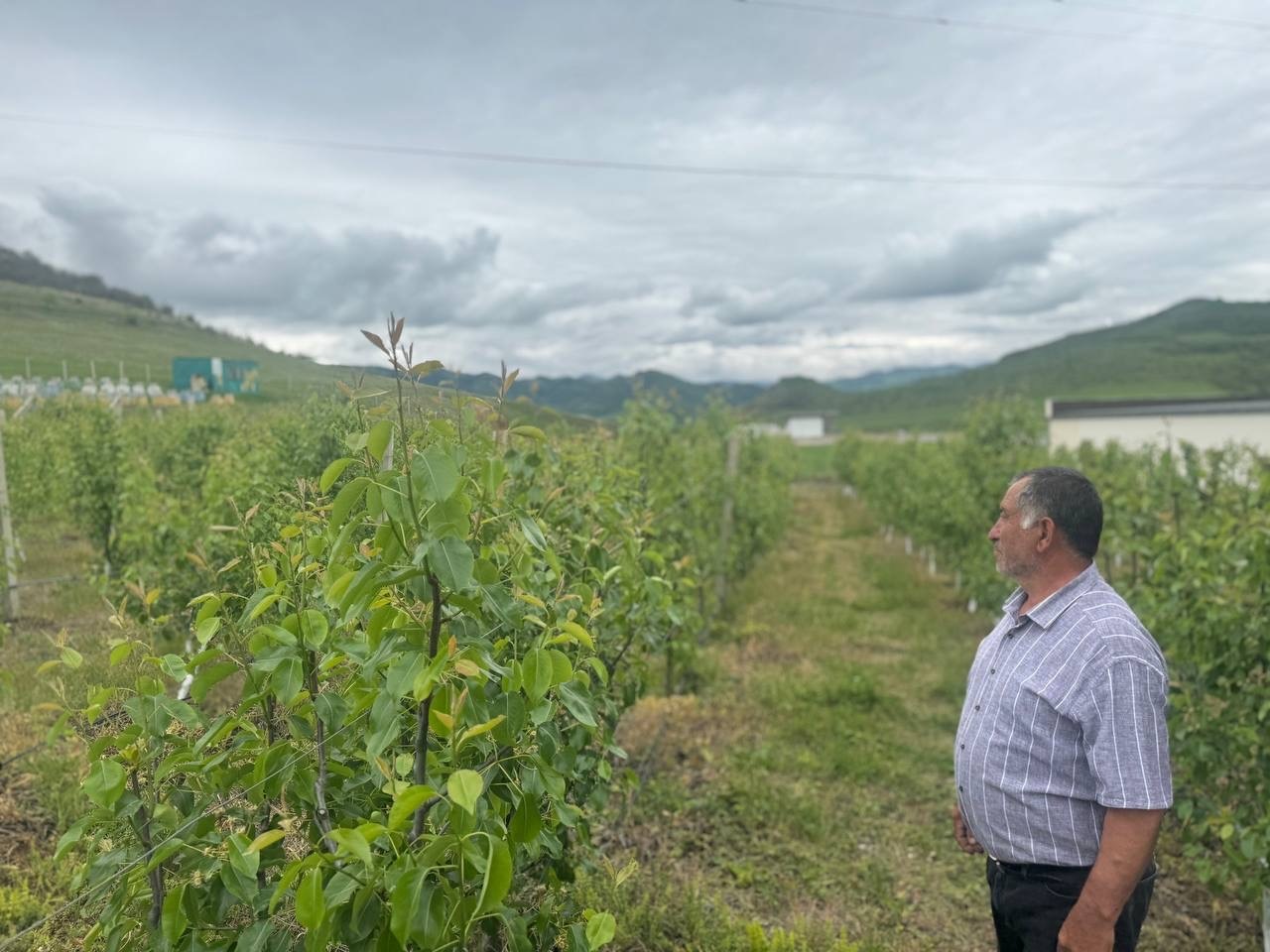
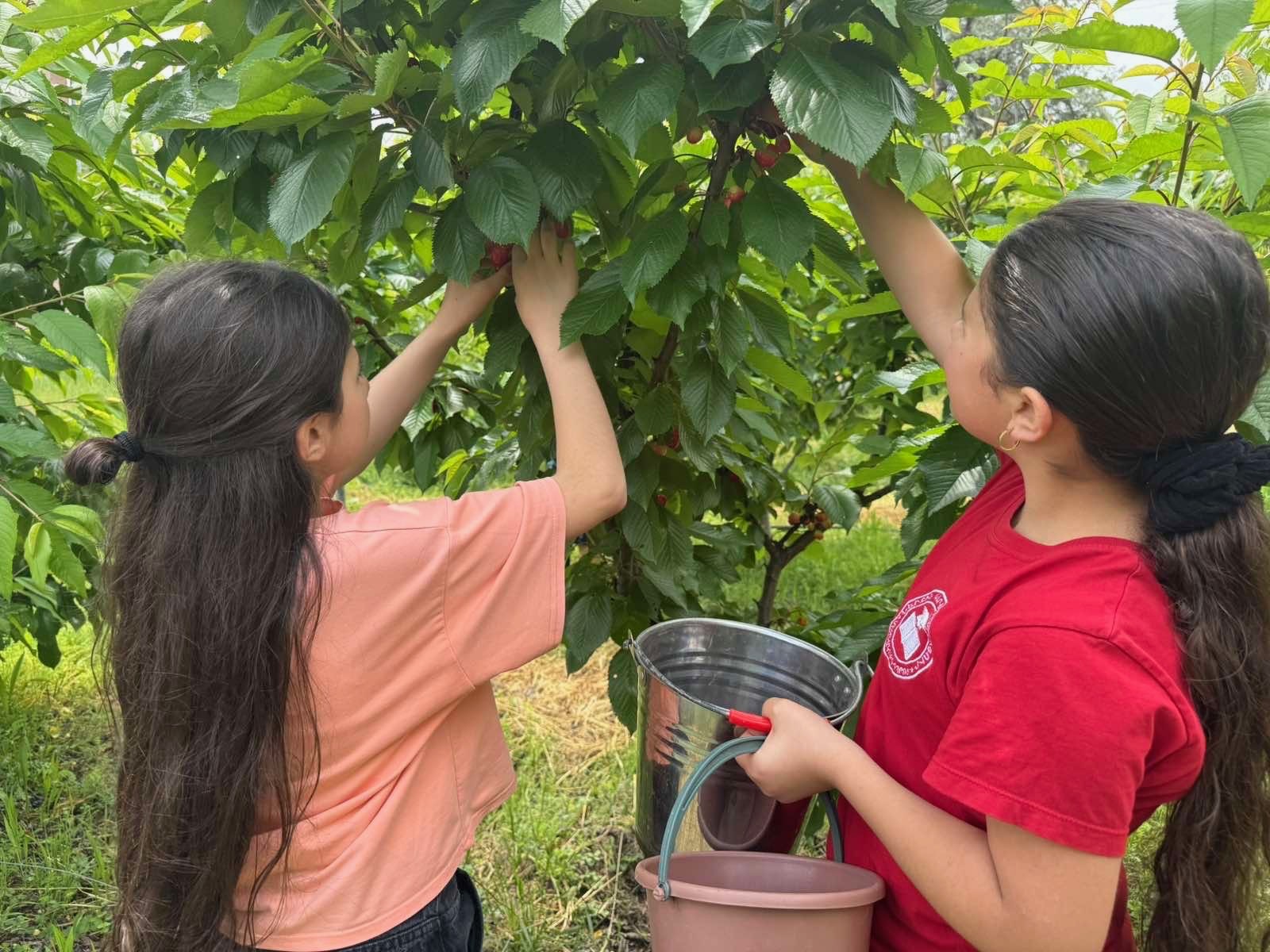
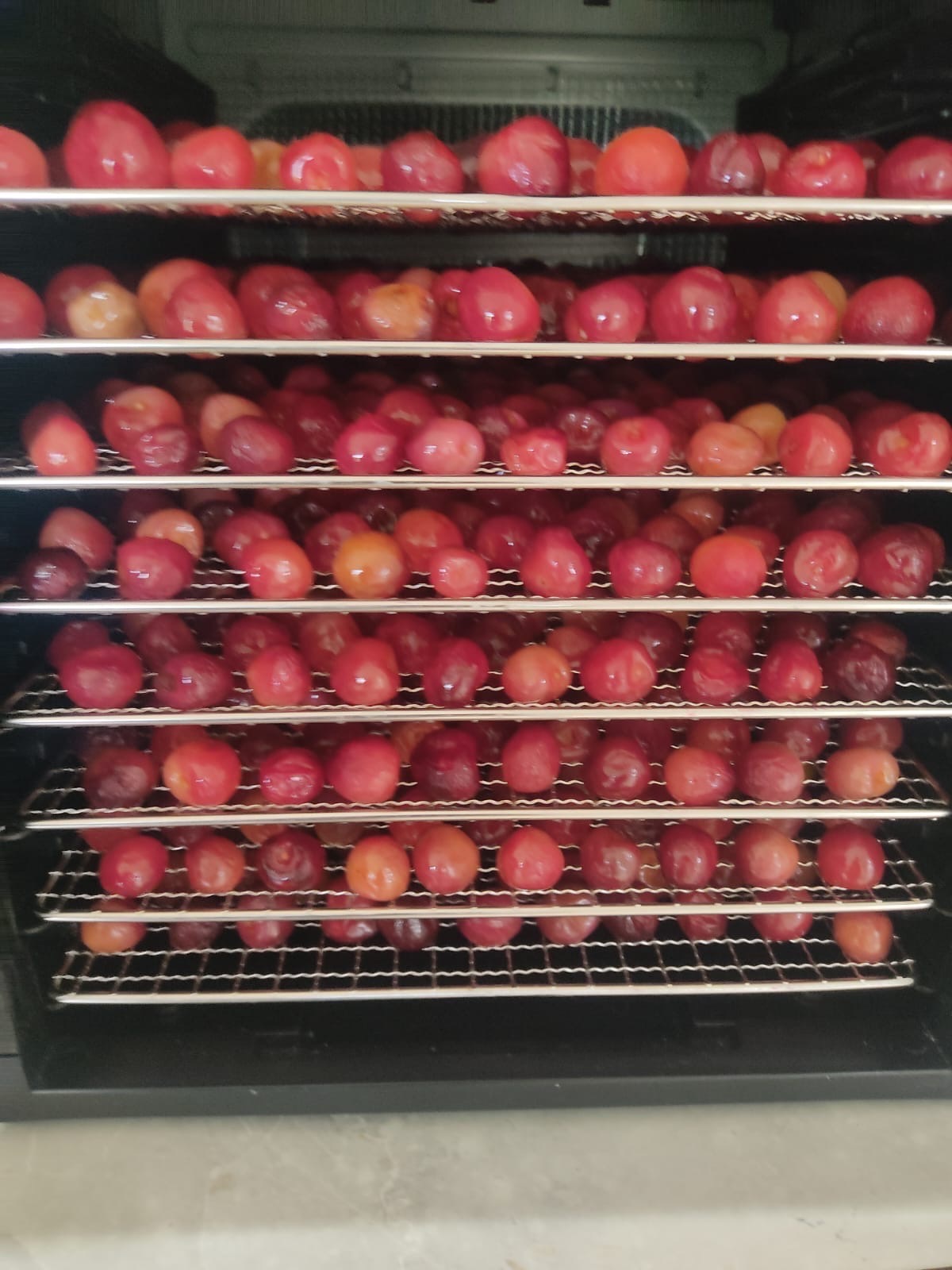
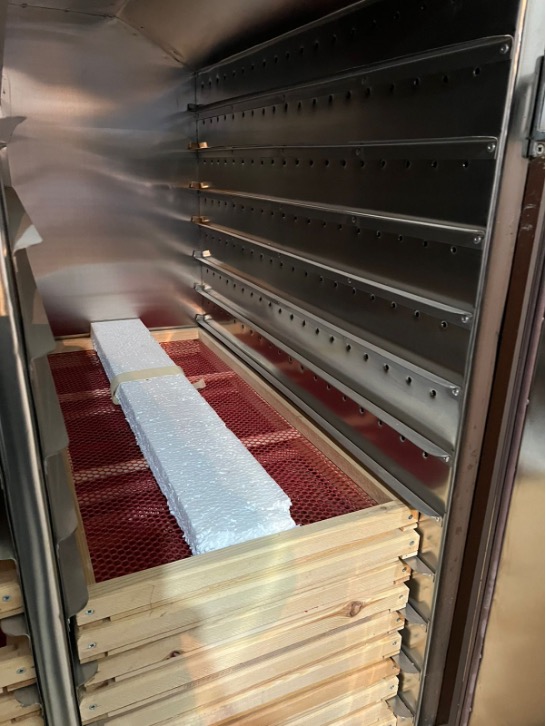
NKA School currently operates an orchard and greenhouse where fruits, vegetables, and herbs are grown. While students eat some of the produce as part of their school lunches, the school is producing more than it can use before it spoils. Currently, the school has two small household dryers, but they do not have enough capacity to process the available harvest.
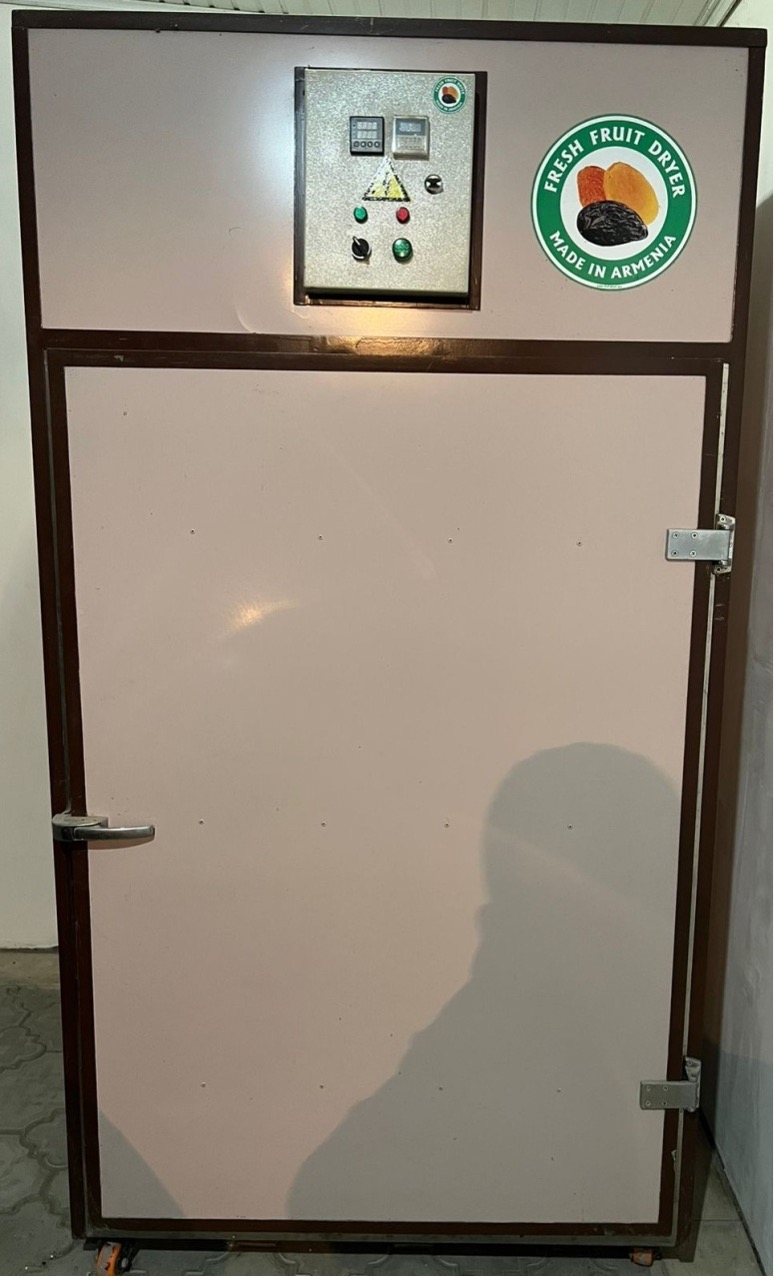
The Paros Foundation is raising $9,200 to purchase a small commercial fruit dryer, refrigerator, fruit processing containers and the supplies needed to package the dried products. This budget will also cover the labor costs of two seasonal employees. The dryer will be installed in the back room of the school’s greenhouse, which is already equipped with solar panels and a freezer for the produce. This equipment will allow the school to dry fruits, vegetables, and herbs, extend the life of its harvest, reduce food waste, and even package products for potential sale.
The Need
NKA School’s orchard and greenhouse produce more fruits, vegetables, and herbs than the school can consume while fresh. As a result, part of the harvest goes bad and is wasted. The school’s two small household dryers cannot process the volume of produce being grown. A commercial dryer will allow the school to preserve more of its harvest and prepare dried products that can be packaged, sold and used later.
Short Term Impact
In the short term, NKA School will receive a small commercial fruit dryer and the packaging supplies needed to begin preserving its produce. The equipment will increase the school’s drying capacity and help prevent fruits, vegetables, and herbs from going to waste.
Long Term Impact
In the long term, the school will be able to make better use of the produce grown in its orchard and greenhouse. Any proceeds from the sale of packaged dried products will go directly back to the school, helping support its programs and ongoing agricultural activities. This project will create a more sustainable use for future harvests while strengthening an existing agricultural program in a border village where economic opportunities are limited.
Sponsors Benefits
All sponsors will be recognized in relevant press regarding this project and on The Paros Foundation website. Visits to the school can be arranged for sponsors traveling to Armenia.
Be the first to donate to this project!